Carotid, DVT and Vascular Ultrasound
Vascular ultrasound is the quietest part of what we do and the part with the widest range of prices, because the studies genuinely differ in scope. A limited look at one vessel and a full bilateral arterial workup are not the same examination, and they should not cost the same.
Sixteen of the forty-three studies on our price list are vascular. Here is what each family of them is actually for.
Carotid duplex: looking for narrowing in the neck
The carotid arteries run up either side of the neck to the brain. A duplex study combines a greyscale picture of the vessel wall with Doppler measurement of how fast blood is moving through it, because a narrowed vessel speeds the flow up. It is typically ordered after a transient neurological event, for a bruit heard on examination, or as part of stroke-risk assessment.
It takes roughly 30 to 45 minutes, needs no preparation, and involves nothing but gel and a probe.
Venous studies: looking for a clot
A lower-extremity venous duplex is the study for suspected deep vein thrombosis. The sonographer works down the leg compressing the veins with the probe, because a vein that will not compress is a vein with something in it. Bilateral means both legs, which is why it is priced above the single-limb studies.
This is one of the studies where speed genuinely matters, so tell us the urgency when the order is placed and we will flag it.
Arterial studies and ABI: looking at circulation
Arterial studies assess blood getting to the limb rather than back from it, usually for claudication, non-healing wounds or known peripheral arterial disease. The ankle-brachial index compares blood pressure at the ankle with the arm, which is a simple and surprisingly informative measurement.
A bilateral lower-extremity arterial study is the most expensive thing on our entire price list at $806.65, and that is honest rather than awkward: it is effectively two full examinations in one appointment.
Aorta screening
Abdominal aortic aneurysm screening is a short, targeted look at the aorta. Medicare covers a one-time AAA screening ultrasound for certain patients, so it is worth asking your provider whether you qualify before assuming you will be paying cash.
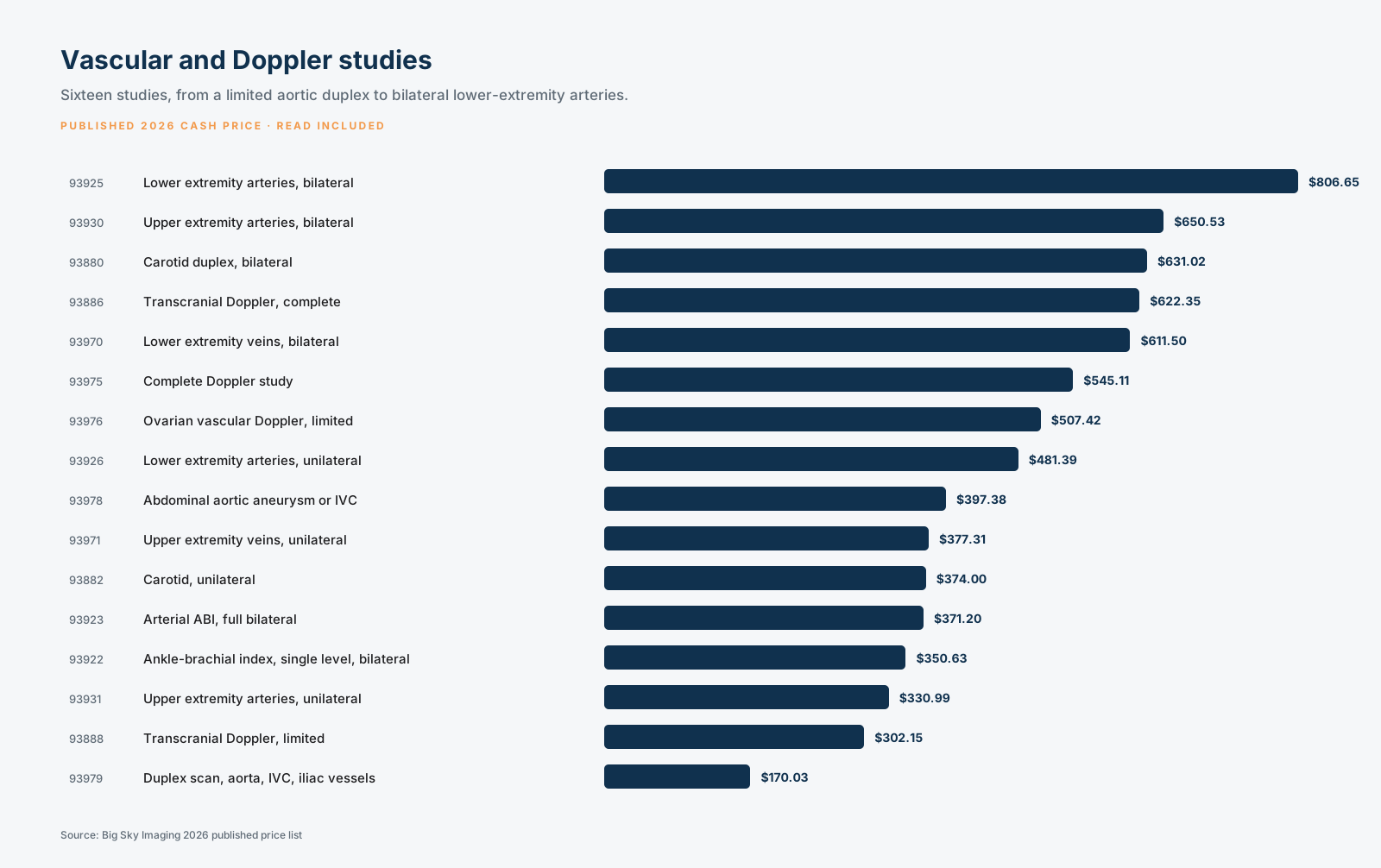
The ones providers order most
Published 2026 cash prices. Each includes the radiologist's read.
| CPT | Exam | Cash price |
|---|---|---|
| 93880 | Carotid duplex, bilateral | $631.02 |
| 93882 | Carotid, unilateral | $374.00 |
| 93970 | Lower extremity veins, bilateral (suspected DVT) | $611.50 |
| 93971 | Upper extremity veins, unilateral | $377.31 |
| 93925 | Lower extremity arteries, bilateral | $806.65 |
| 93926 | Lower extremity arteries, unilateral | $481.39 |
| 93922 | Ankle-brachial index, single level, bilateral | $350.63 |
| 93978 | Abdominal aortic aneurysm or IVC | $397.38 |
The full price list has all sixteen, plus the other twenty-seven studies we perform.